Edge Computing vs Cloud
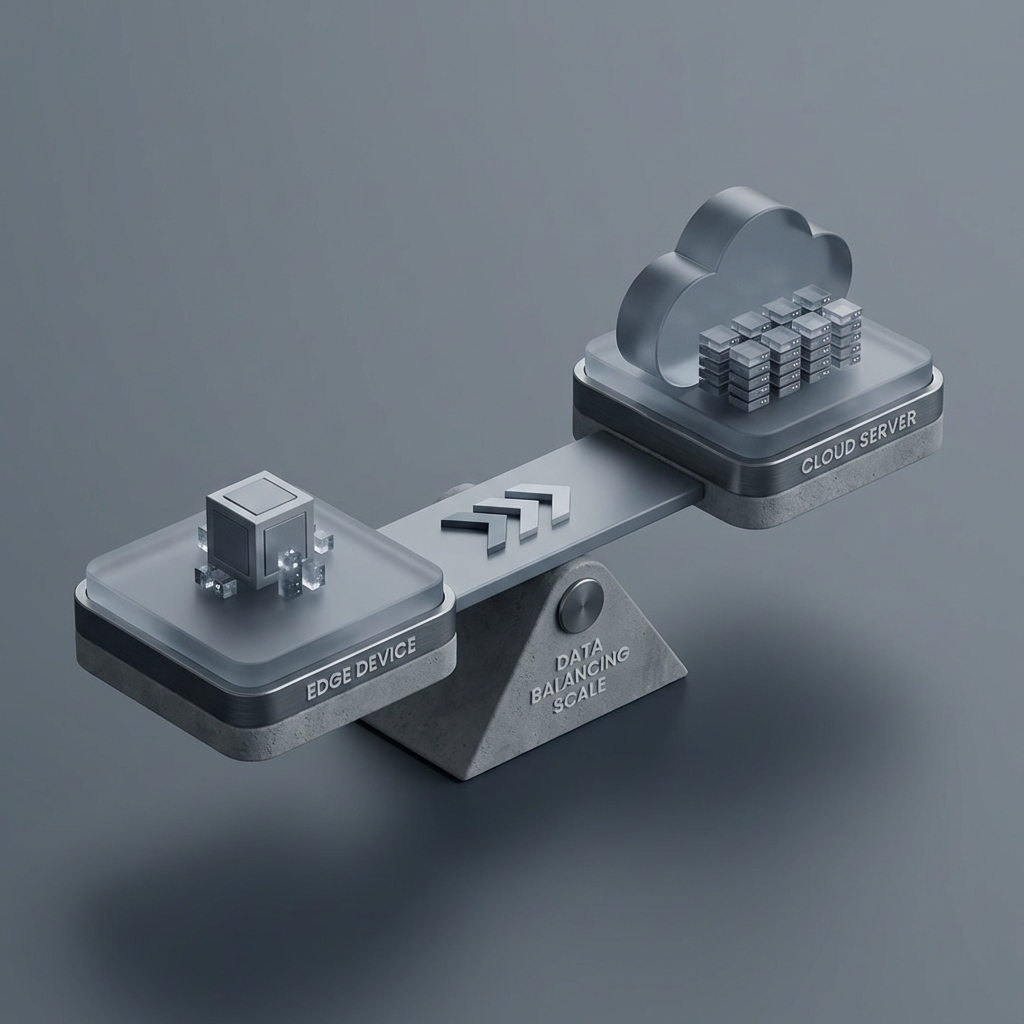
Where should the intelligence live? Balancing the latency of the edge with the power of the cloud in modern IoT architectures.
The Edge versus Cloud debate is settling on hybrid designs. Low-latency decisions stay at the edge for safety and speed; trend analysis and model training stay in the cloud. Modern IoT architectures combine both layers for resilience and cost control.
The Evolution of Technology in 2023
The field of Technology has changed substantially since Oct 15, 2023. In the context of "Edge Computing vs Cloud", we first saw a push toward finer-grained data. That work now shows up as practical sovereign interoperability. RedBite's Cambridge Auto-ID Labs heritage and early projects in this space helped set up the autonomous machine economy we see today.
Key Strategic Takeaways
Looking back at the core thesis of this article, three themes still matter for enterprise decision-makers:
| Theme | Historical Context | 2026 Implication |
|---|---|---|
| Data Granularity | Item-level tracking was a novelty. | It is now a compliance requirement (DPP). |
| Connectivity | Cloud-first architectures. | Edge-first, mesh-based consensus. |
| Value Proposition | Visibility and Reporting. | Autonomy and Settlement. |
Why "Edge Computing vs Cloud" Matters
The engineering challenge described in this piece was not trivial. By integrating Technology directly into the operational workflow, we aimed to remove the reliance on manual data entry. This created a self-verifying system where physical assets act as their own source of truth.
"Passive database entries are giving way to active, sovereign digital twins.
Consider the implications for global supply chains. When an asset can self-report its status, history, and even negotiate its own logistics, the friction costs of trade plummet. This is the promise of Intelligent Assets, a promise that we are actively delivering through our ecosystem of solutions like itemit.
The Path Forward
Data sovereignty matters. Integration of Technology technologies will keep deepening. The gap between digital systems and physical assets is narrowing. More items, from jet engine parts to bottles of wine, will carry persistent digital identity.
For more on how these older concepts feed today's architecture, see our State of the Machine Economy 2026 report. It links early work to the agentic mesh we run now.
Digital Product Passport (DPP) Compliance Hub
Digital Product Passport software for ESPR compliance: UNTP interoperability, supplier ingestion, and audit-ready records. Upload sample data for a free scan.