The Rise of the AI Agent Economy
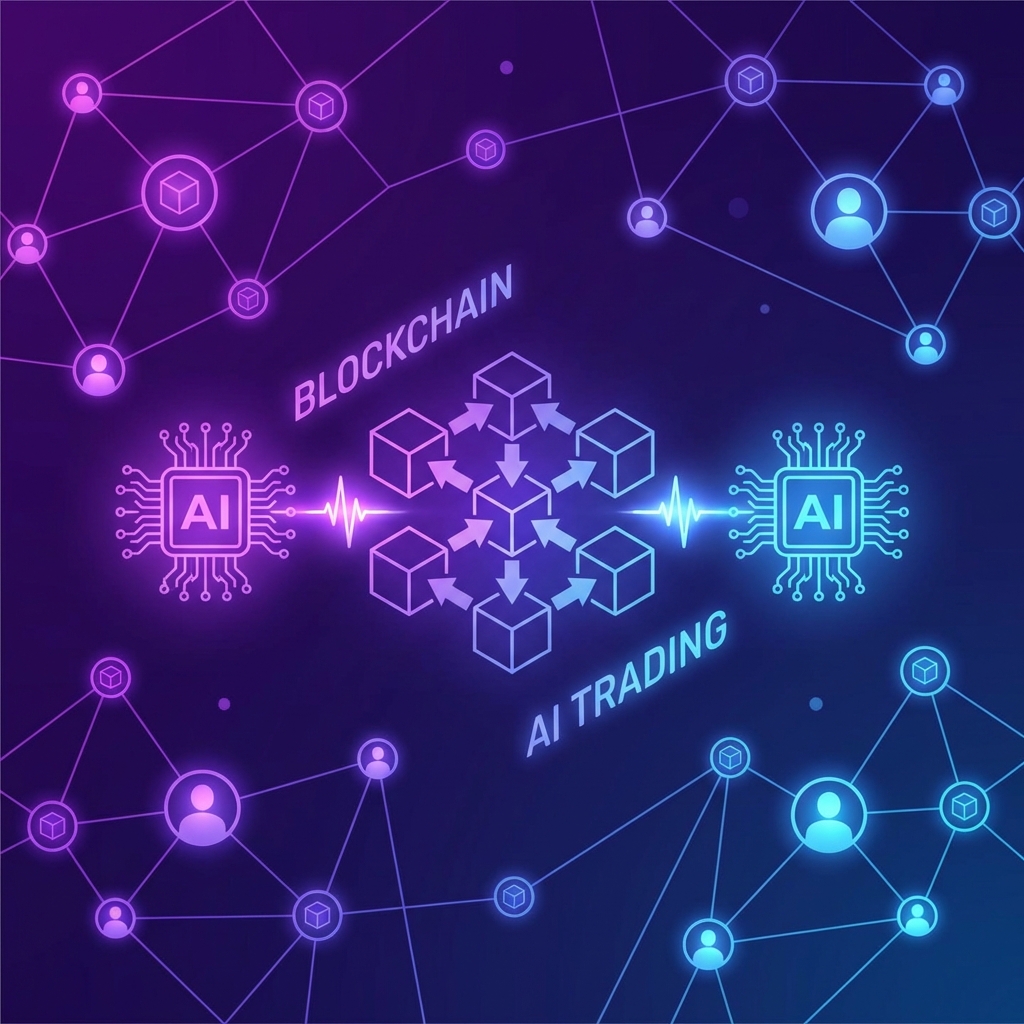
How autonomous agents are moving from simple chatbots to sovereign economic actors capable of negotiating, trading, and executing complex tasks on-chain.
The AI Agent Economy moves from passive chatbots to autonomous economic actors. These agents can negotiate contracts, execute transactions, and manage assets on-chain, driving coordination costs in digital markets toward zero.
2026 UPDATE: As predicted, we are now seeing these agents drive the Machine Economy. The semantic protocols described below have become the standard for sovereign interoperability.
A sudden spread of agency
For the last decade, we lived in the SaaS era, defined by passive tools. Salesforce does not 'want' anything; it waits for you to input data. The Agent era is different. Agents are goal-seeking entities. They have utility functions, budget constraints, and the autonomy to pursue outcomes.
The defining metric of this era is the 'Marginal Cost of Coordination'. When finding a supplier, negotiating a price, and signing a contract costs $0.001 and takes 50 milliseconds, the structure of the global economy changes.
The Agent Software Stack
An economic agent is more than just an LLM. It requires a specific stack of capabilities to function in a trustless market. At RedBite, we define this stack as 4 layers:
1. Identity (DID): The Passport. A Decentralised Identity (DID) that persists across platforms. 2. Wallet (USDC/Eth): The Bank Account. The ability to hold and transfer value. 3. Logic (LLM + Rules): The Brain. The decision engine that evaluates opportunities. 4. Interface (Protocol): The Voice. Standardised semantic messages (RequestForQuote, Bid, Accept).
Visualising the Agent Architecture
Notice the separation between 'Orient' and 'Decide'. The LLM is used for understanding unstructured context (e.g., reading a news report about a port strike), but the Rule Engine handles the hard logic (e.g., 'Do not spend more than $500'). This hybrid architecture is critical for safety.
The Rise of Zero-Shot Supply Chains
A practical implication of this technology is the 'Zero-Shot Supply Chain'. In the past, setting up a supply chain took months of relationships and legal work. In the Agent Economy, a supply chain can form instantaneously for a single transaction.
Imagine a custom furniture run. Fifty agents (designers, millers, logistics providers, insurers) can align for a few hours to produce one batch of tables, settle payments on verification, and then disband. The firm is less a fixed building and more a temporary coalition around one job.
Conclusion: Code is the Contract
"In the agent economy, your reputation is your credit score, and your code is your contract.
We are building the protocols that allow this economy to flourish. By standardizing the 'Interface' layer, we allow agents from different fleets to talk, trade, and trust one another.
Web3 Asset Tracking for Enterprise Operations
Web3 asset tracking anchors RFID and IoT events to verifiable on-chain records so auditors, partners, and AI agents can trust asset data without intermediaries.