Healthcare Asset Management
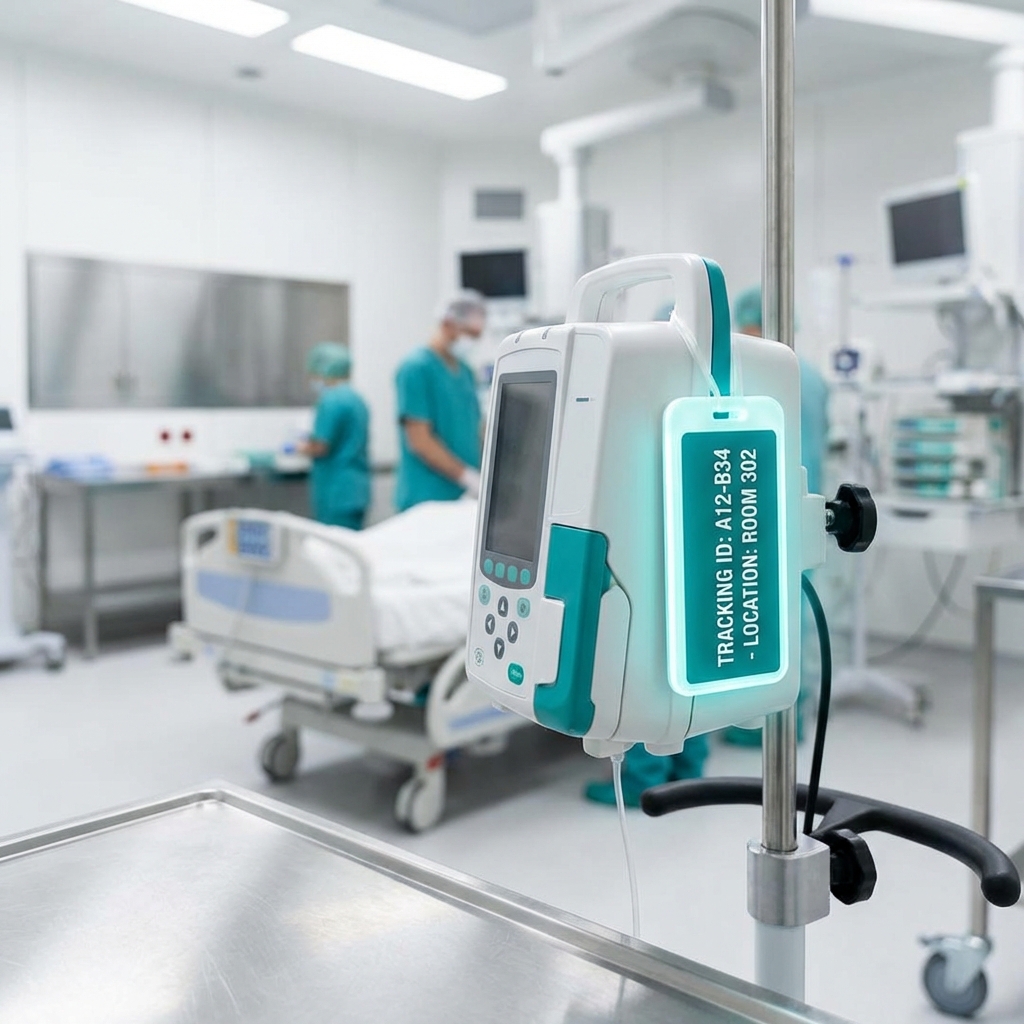
From tracking infusion pumps to managing sterile supplies. How intelligent assets are improving patient outcomes in the NHS.
Intelligent asset management in healthcare saves critical nursing time. By automatically tracking the location of infusion pumps and sterile supplies, hospitals can increase equipment utilisation rates by 25% and ensure that life-saving tools are always available when needed.
The Evolution of Healthcare in 2023
The field of Healthcare has changed substantially since Nov 22, 2023. In the context of "Healthcare Asset Management", we first saw a push toward finer-grained data. That work now shows up as practical sovereign interoperability. RedBite's Cambridge Auto-ID Labs heritage and early projects in this space helped set up the autonomous machine economy we see today.
Key Strategic Takeaways
Looking back at the core thesis of this article, three themes still matter for enterprise decision-makers:
| Theme | Historical Context | 2026 Implication |
|---|---|---|
| Data Granularity | Item-level tracking was a novelty. | It is now a compliance requirement (DPP). |
| Connectivity | Cloud-first architectures. | Edge-first, mesh-based consensus. |
| Value Proposition | Visibility and Reporting. | Autonomy and Settlement. |
Why "Healthcare Asset Management" Matters
The engineering challenge described in this piece was not trivial. By integrating Healthcare directly into the operational workflow, we aimed to remove the reliance on manual data entry. This created a self-verifying system where physical assets act as their own source of truth.
"Passive database entries are giving way to active, sovereign digital twins.
Consider the implications for global supply chains. When an asset can self-report its status, history, and even negotiate its own logistics, the friction costs of trade plummet. This is the promise of Intelligent Assets, a promise that we are actively delivering through our ecosystem of solutions like itemit.
The Path Forward
Data sovereignty matters. Integration of Healthcare technologies will keep deepening. The gap between digital systems and physical assets is narrowing. More items, from jet engine parts to bottles of wine, will carry persistent digital identity.
For more on how these older concepts feed today's architecture, see our State of the Machine Economy 2026 report. It links early work to the agentic mesh we run now.
Digital Product Passports for the Automotive Supply Chain
Digital Product Passport automotive supply chain: EV battery passports, OEM traceability, and EU Battery Regulation reporting. Start with a free readiness scan.